How to Understand Fashion When You Have No Idea Where to Start
When I first started learning about fashion, I had so much to learn. I did not know all the tricks or how to put a great look together. Sometimes, I would see someone wearing a nice outfit and wonder how they made it look so good.
I wanted to learn how to do that too! So, I started paying more attention to the clothes people wore and the ways they put their looks together.
I looked at colors, shapes, shoes, and small details that made an outfit stand out. I also began to see how one simple shirt could look so different when worn in new ways.
Now, I believe that anyone can learn about fashion, even if they are just starting out. You do not need a lot of money, fancy clothes, or expert skills. All you need is a little time, some fresh ideas, and a wish to learn.
I want to share what I have learned and help you find new ways to enjoy your clothes. We can discover together how to learn about fashion, try new things, and find a style that feels right for each of us.
And who knows? You may find that learning about fashion is much easier and more fun than you first thought!
How to Learn About Fashion as a Beginner Without Feeling Overwhelmed
1. Train Your Eye by Looking at Fashion Every Day
I think one of the best ways to learn about fashion is to look at it every day. You do not need to spend money or read long books to get started. You can learn a lot just by paying close attention to the clothes around you.
When I see an outfit I like, I try to work out what makes it stand out. Is it the colors, the shape, the shoes, or the way the clothes fit? These small details can teach you more than you may think.
I also like the idea of saving pictures of outfits that catch my eye. You can use Pinterest, Instagram, or a folder on your phone for this. Save runway looks, old photos, fun prints, bags, shoes, and fabrics that you find nice.
Over time, you may see that you keep picking the same colors or shapes. This can help you learn what you like and what you want to try.
Do not look only at famous people or big fashion names. You can learn just as much from people on the street, fans of old clothes, stylists, and people who make their own outfits.
I would also look at styles that seem strange or different from what I usually wear. Try punk, simple looks, bold outfits, soft and sweet styles, or clothes inspired by the past.
You do not have to love every style to learn from it. You may even find a new idea that you would never have tried before.
Another good tip is to keep a fashion journal. Each day, pick one outfit and write three short lines about it.
First, write what you notice, then what makes it stand out, and last, what you would change. This helps you explain your taste instead of just saying that an outfit looks good or bad.
You can also learn by looking at clothes in real life. Visit a department store or a designer shop and look around, even if you do not plan to buy anything. Feel the wool on a coat, look at the seams, and check the lining inside a jacket.
If you see a bag you like, look at its handles, zips, and metal parts. These small details can help you see how a piece is made. Try to do one of these things each day, even if you only have five minutes.
The more you look, the more you will notice. Soon, you may start to spot things that you never paid much attention to before.
2. Learn Fashion History, Not Just Current Trends
I think learning about fashion history makes the whole subject much more fun. When you know what people wore in the past, today’s trends start to make more sense.
Many designers take ideas from old clothes and give them a fresh look. A shape that was popular many years ago may come back in a new way. Think about wide-leg pants, short jackets, or big shoulders.
You may see these looks in old photos and then spot them in shops today. I would start by learning a little about each decade of the 1900s.
Look at photos from the 1920s, 1950s, 1970s, 1980s, and 1990s. Notice how the shapes, colors, and ways of dressing change over time. Then pick the years you like best and learn more about them.
It is also worth learning about famous designers and the fashion houses they built. Coco Chanel, Christian Dior, Yves Saint Laurent, Vivienne Westwood, Alexander McQueen, and Rei Kawakubo are good names to know.
Each one brought new ideas to fashion. Look at their work and see what made it different from what came before. I would also ask why people dressed the way they did in each time.
Clothes can tell us about money, work, music, politics, and ideas about men and women. New tools and ways to make clothes can change fashion, too.
Even the way people think about their bodies can affect the clothes they wear. When you learn these things, fashion becomes more than just a set of nice outfits.
Books can be a great help when you want to learn more. Fashion: 150 Years of Couturiers, Designers, Labels by Charlotte Seeling is a good place to start because it covers many designers and years.
Stitches in Time: The Story of the Clothes We Wear by Lucy Adlington looks at clothes and the lives of the people who wore them.
If you want to learn how fashion links to life and culture, try Adorned in Dreams: Fashion and Modernity by Elizabeth Wilson.
You do not need to read all three books at once. Start with the one that looks most fun to you. You can also read about how Dior’s famous New Look changed the shape of women’s clothes after World War II.
Then look at modern outfits that use a similar shape. Compare old photos with new runway looks and see what has changed. I find that this is a great way to get new ideas for outfits of my own.
3. Study Runway Shows and Learn to Spot Designers
Runway shows are a great way to see how designers turn ideas into clothes. I would start with Vogue Runway, where you can look at photos from many fashion shows.
Do not stop at the first outfit that catches your eye. Look through the whole show and see how the pieces fit together. You may notice that the designer uses the same colors, shapes, or fabrics many times.
Some looks may have wide shoulders, while others may use long coats or soft, flowing cloth. These details can help you see what makes a designer’s work stand out.
Try to pick one designer and study their work for a few days. Look at their older shows and then compare them with newer ones. This can help you spot the parts of their style that stay the same.
It is also fun to look at what happens when a new designer takes over a fashion house. The clothes may change, but some old ideas may still be there.
Try to learn about the person who started the brand and the people who led it later. Read about the ideas behind each show, too. A designer may take ideas from art, music, old clothes, or life around them.
Once you know the story, you may see the clothes in a new way. I would keep notes on the shapes, colors, and small details that I notice. You can also compare a runway outfit with clothes sold in everyday shops.
Look for a similar shape, color, or style, rather than trying to find an exact copy. This helps you see how ideas from high fashion can reach more people.
There are a few fashion terms worth learning as you go. Haute couture means special clothes made with great care and skill, often for one person.
Ready-to-wear, or RTW, means clothes made in set sizes and sold for people to buy. Diffusion lines are lines from a brand that often offer a different price or style from its main line.
Contemporary lines are made for a certain market and may use modern styles at a range of prices. The meaning of these lines can change from one brand to another.
Fast fashion means clothes made and sold quickly to keep up with new trends. These terms will help you follow fashion news and talk about clothes with more ease.
For more help, look for a beginner’s guide to designer fashion. You can also search for talks and guides written by fashion fans.
Try to learn one new term each time you study a show. Before long, the world of designer fashion may feel much easier to follow.
4. Use YouTube to Learn Through Fashion Videos
YouTube is a handy place to learn about fashion because you can see the clothes while someone talks about them. I like the idea of using videos to learn why a look works, not just whether it is in style.
You can find talks about old trends, famous designers, runway shows, and the way clothes are made. Start with a short video if you are new to the topic. Then, when something catches your eye, look for a longer talk about it.
One creator worth checking out is Bliss Foster. His videos often look closely at designers and their work, including Martin Margiela.
HauteLeMode is another channel to explore if you want to hear people talk about runway shows and designer styles.
Mina Le looks at fashion through links to films, music, and life in general. These channels can help you see clothes from more than one point of view.
You can also search for The Fashion Channel and other runway show archives. Look for full shows instead of only short clips.
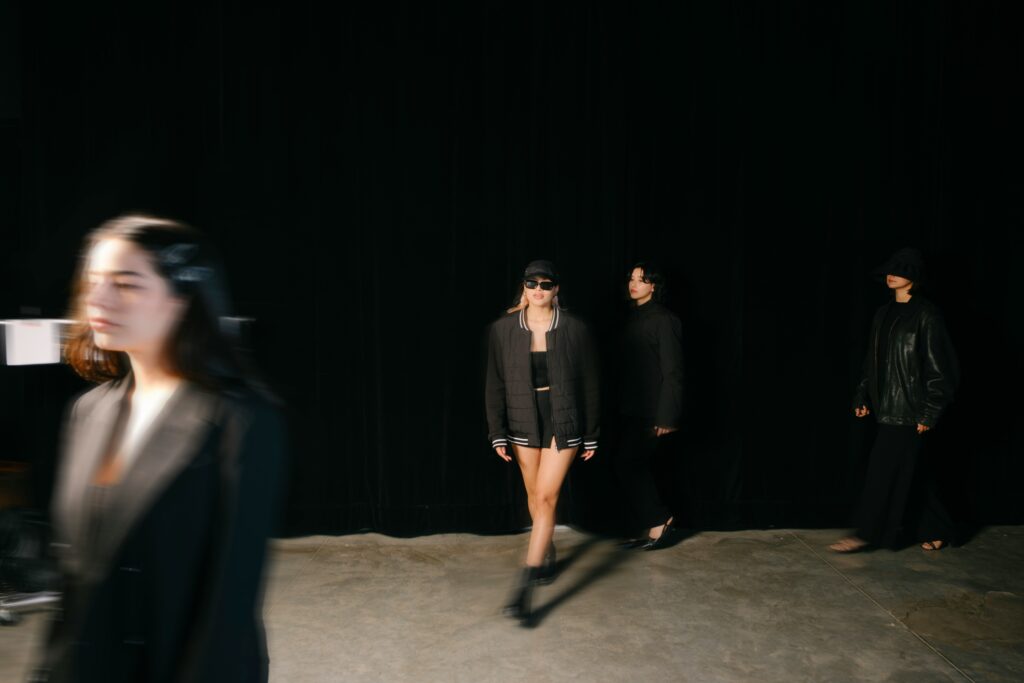
A still photo can show you the shape of a coat, but a video can show how the coat moves. You may notice how a skirt swings or how a loose jacket falls as someone walks.
Zoe Hong is another name to look up, especially if you want to learn about fashion design and how clothes are planned.
Try not to watch only videos that tell you what is popular. Look for ones that explain the ideas behind a collection.
Ask yourself why the designer chose those colors, shapes, and fabrics. If you do not know a word, pause the video and look it up. There is no need to understand everything at once.
My best tip is to keep a small list of the videos you find most useful. Write down the name of the designer, the main idea, and one thing you learned. You could even save a picture of a look that you want to study later.
Try watching a video about a style you do not know much about. You may find that you like it more once you learn the story behind it.
It is also fine to disagree with the person in the video. Fashion is full of different views, and you should have room to form your own.
Do not feel that you need to watch for hours every day. Even ten minutes can teach you something new. The goal is to learn a little, think about what you saw, and enjoy the process.
You Might Also Like the Following Posts:
- How to Look Rich on a Budget and Elevate Your Personal Style
- How to Find Your Fashion Style and Build a Wardrobe You Love
- 17 Common Fashion Mistakes That Instantly Age Your Look
5. Read Fashion News and Learn How the Industry Works
Fashion is about more than clothes on a runway. There are many people behind each item, from the person who draws the first idea to the person who sells it in a shop.
I find it useful to learn about this side of fashion because it helps me see the full picture. A brand must think about the cost of cloth, the people who make the clothes, the price, and the way the items are sold.
It must also think about ads, shop design, and what its buyers want. These things can shape the clothes we see and the prices we pay.
If you want to learn more, start with The Business of Fashion. It shares news about brands, shops, money, and changes in the fashion world. Some stories need a paid plan, so check which ones you can read for free.
Women’s Wear Daily, also known as WWD, is another place to look for fashion news. It covers designers, brands, shops, and the business side of fashion.
If you like to listen instead of read, try the Dressed: The History of Fashion podcast. You can listen while you walk, tidy your room, or travel.
Another resource is Loose Threads, which looks at brands, how products are made, and how the fashion world changes.
These sources can help you learn about jobs and ideas that you may not see in fashion photos. You do not need to read every story or know every brand. Pick topics that you find interesting and learn a little at a time.
As you read, ask yourself a few simple questions. Who made these clothes, and where were they made? What makes this brand different from others?
Why does one coat cost much more than another coat? Is the price due to the cloth, the skill, the brand name, or the money spent on ads? A high price does not always mean that a piece is better made.
It is worth learning how to check the quality for yourself. You can also read about the people who make clothes and the work they do. This can help you think about how your shopping choices affect others.
I believe that knowing how the fashion world works helps you make better choices.
It can also be useful if you ever want to work in fashion or start your own brand. The more you learn, the more you see that fashion is both a creative art and a business.
6. Learn About Fabrics, Garment Making, and Fit
If you want to understand fashion, I think it helps to learn what clothes are made of and how they are put together.
A shirt made from cotton can feel very different from one made from silk or polyester. Wool is often used for warm clothes, while linen is known for its light feel and is often worn in warm weather.
Denim is firm and strong, while some soft fabrics fall in loose folds. These are just a few things you can learn by looking at the clothes around you. Start by checking the labels on items you already own.
Look at the fabric names and see how each item feels after you wash and wear it. Does it hold its shape? Does it wrinkle? Does it stretch? These small checks can help you learn what each fabric does well.
If you can, visit a fabric shop or a secondhand store and feel a range of materials. Hold a piece of cloth up and see how it falls.
Some fabrics hang in soft folds, while others keep a firmer shape. This is called drape, which means how a fabric falls when you wear it.
You can also learn about weight, which means how light or heavy a fabric feels. Think about how long a garment lasts and how easy it is to care for.
Then look closely at the way the clothes are made. Check the seams, hems, darts, pleats, pockets, buttons, zips, and linings.
These parts can tell you a lot about how the item was put together. Try to notice the small details that make one garment different from another.
Fit is just as important as fabric. A shirt may look very different when the shoulders fit well or when the sleeves are too long.
The length of a jacket, the place where a waist sits, and the width of a pair of pants can all change the look. Try on the same kind of item in a few shapes and see which ones you like best.
If you are keen to learn more, try a simple sewing class. You could start by sewing on a button or fixing a loose hem. These small tasks can teach you how clothes are built.
If you want to go further, learn about patternmaking and draping. Patternmaking is the way flat shapes are made to form a garment. Draping means shaping cloth on a dress form to see how it will fit.
You do not need to become a designer to enjoy these skills. Even a little knowledge can help you choose clothes that look good, feel right, and last longer.
7. Explore Museums, Archives, and Free Fashion Resources
You do not need to spend lots of money to learn about fashion. In fact, some of the best places to start are free websites with photos, stories, and old clothes.
I would begin with the Metropolitan Museum of Art, which has an online collection you can explore from home.
You can find old garments, learn about designers, and read about the way clothes have changed. The museum also shares books and other learning tools, though access can vary by item.
Another great place to look is the Museum at FIT. It has shows, essays, and learning tools about clothes, cloth, and designers.
These sites can help you learn about fashion from many years and places. You can take your time and look at the photos as often as you like.
Google Arts & Culture is another useful place to explore. It brings together art, photos, and stories from museums around the world.
You can also look for its We Wear Culture project, which shares stories about clothes and their place in history.
If you like old books and magazines, try the Internet Archive. It has many scanned books and old papers, but the rules for reading or borrowing each item may be different.
You may find old fashion ads, books about designers, and photos from past years. I would choose one topic before I start browsing.
For example, you could look at old wedding dresses, 1970s fashion, or the history of denim. This helps you stay on track instead of clicking on every picture you see.
There is also a lot to learn by looking beyond the most famous Western designers. Every part of the world has its own ways of making and wearing clothes.
You can learn about local dress, woven cloth, prints, and ways of making garments. These styles can open your eyes to new colors, shapes, and skills.
It is also important to learn what certain clothes mean to the people who wear them. Some garments have deep ties to family, faith, or local life. Take time to learn about these links instead of seeing the clothes only as a trend.
When you find a photo you like, save it and write down what caught your eye. Maybe it was the cloth, the shape, or the way the colors worked together.
I think museum sites and old photos are a great way to find ideas that you may not see in shops today. Best of all, you can explore from home and learn at your own pace.
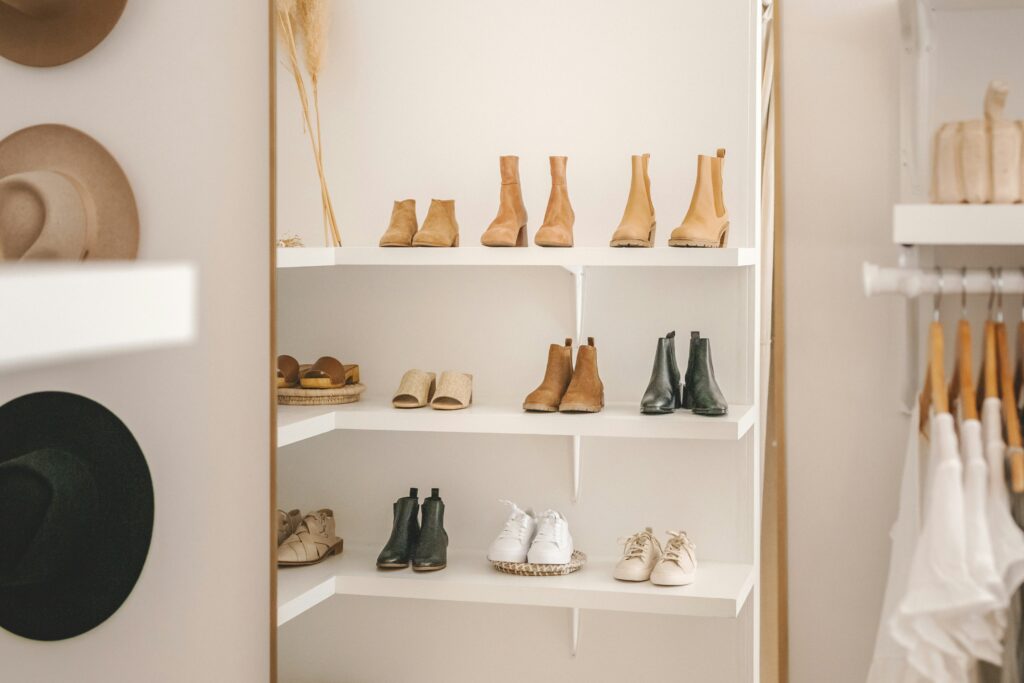
8. Experiment With Your Own Style
Learning about fashion is great, but I think the real fun begins when you try things for yourself. You can start with the clothes you already own, so there is no need to rush out and shop.
Take a good look through your closet and pick out the items you wear most often. Ask yourself why you like them. Is it the color, the fit, the feel, or how easy they are to wear?
Then look at the pieces you rarely use and think about how you might wear them in a new way. You could pair a shirt with a skirt instead of jeans. You could wear a jacket over a dress or try a belt with a loose shirt.
Small changes can make old clothes feel new again. Try a few looks and take photos so you can see which ones you like best.
Another fun idea is to make a mood board. Pick a theme, such as 1990s style, punk, simple looks, or soft and romantic clothes. Then save 15 to 20 pictures that fit that theme.
Look at the colors, shapes, shoes, and small details that come up again and again. After that, see if you can make an outfit with the same feel using your own clothes.
You can also visit secondhand shops to look for old prints, special cuts, and details that are not easy to find in new clothes. You do not have to buy something every time you go.
Just looking can give you fresh ideas. Try to study how an old coat is made or how a vintage dress gets its shape. Then compare those details with clothes you see in shops today.
You can also try to copy the feel of a runway look without buying the same items. Look at the colors, shapes, and layers, then use what you have to make your own version.
This is a good way to learn how fashion ideas work in real life. If you see a style you love, try to work out what makes it special. Is it the long shape, the mix of colors, or the way the clothes sit on the body?
Keep notes about the outfits you try and what you learn from each one. You may find that you love some looks but do not enjoy wearing them. That is fine, because the goal is to learn what works for you.
Do not feel that you must follow every trend or dress like someone else. Fashion should give you room to play and show who you are. Try new things, make mistakes, and keep the parts that feel right.
Over time, you may build a style that feels more like you. And remember, you do not need a perfect closet to enjoy fashion. You just need a little time, a few ideas, and the wish to try something new.
Now It’s Time for You to Give Me Your Best Tips on How to Learn About Fashion!

Hi, I’m Laura, the creator of Her Lifestyle Guide. I share practical beauty, nail, hair, and lifestyle tips to help women feel confident and inspired. My goal is to create helpful, easy-to-follow content based on research, personal experience, and a love for all things beauty and lifestyle.
Leave a Reply